
Belcarra Riverside Walk
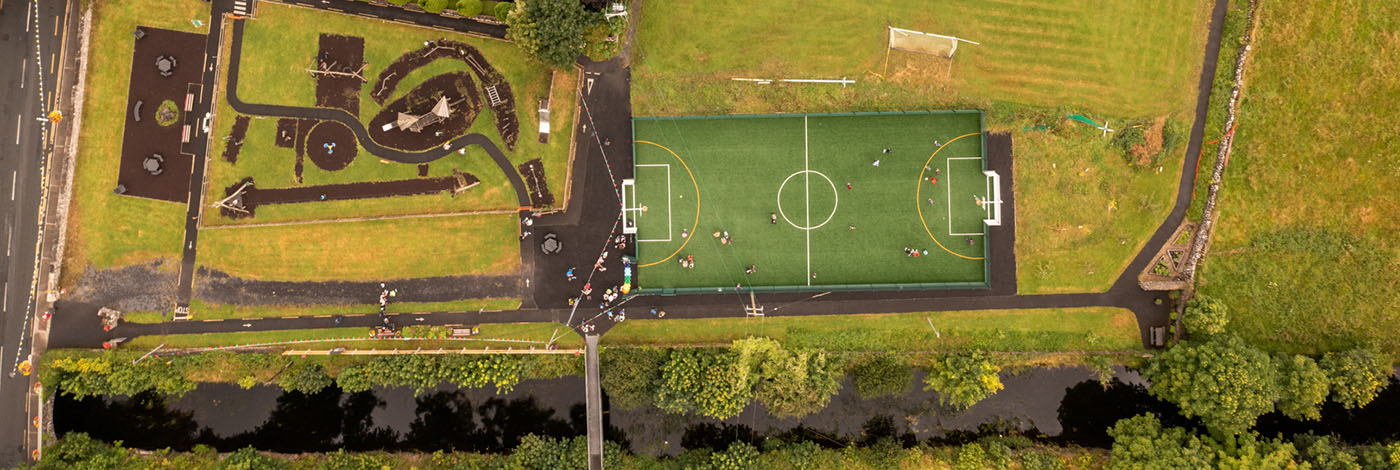
A 3km Riverside Loop Walk, with a pedestrian bridge across the river and linking Elmhall to Belcarra village
Background
The Miranda River, also known as the Manulla River, is a tributary of the Rivery Moy. It runs through the heart of Belcarra village. In 1997, an overall area plan for Belcarra drawn up and a 3km Riverside Loop Walk, with a pedestrian bridge across the river and linking Elmhall to Belcarra village, was proposed and costed by Belcarra Community Council. Work commenced on the Riverside walk in 1999 with approval from landowners and the Fishery Board.
About the Walk
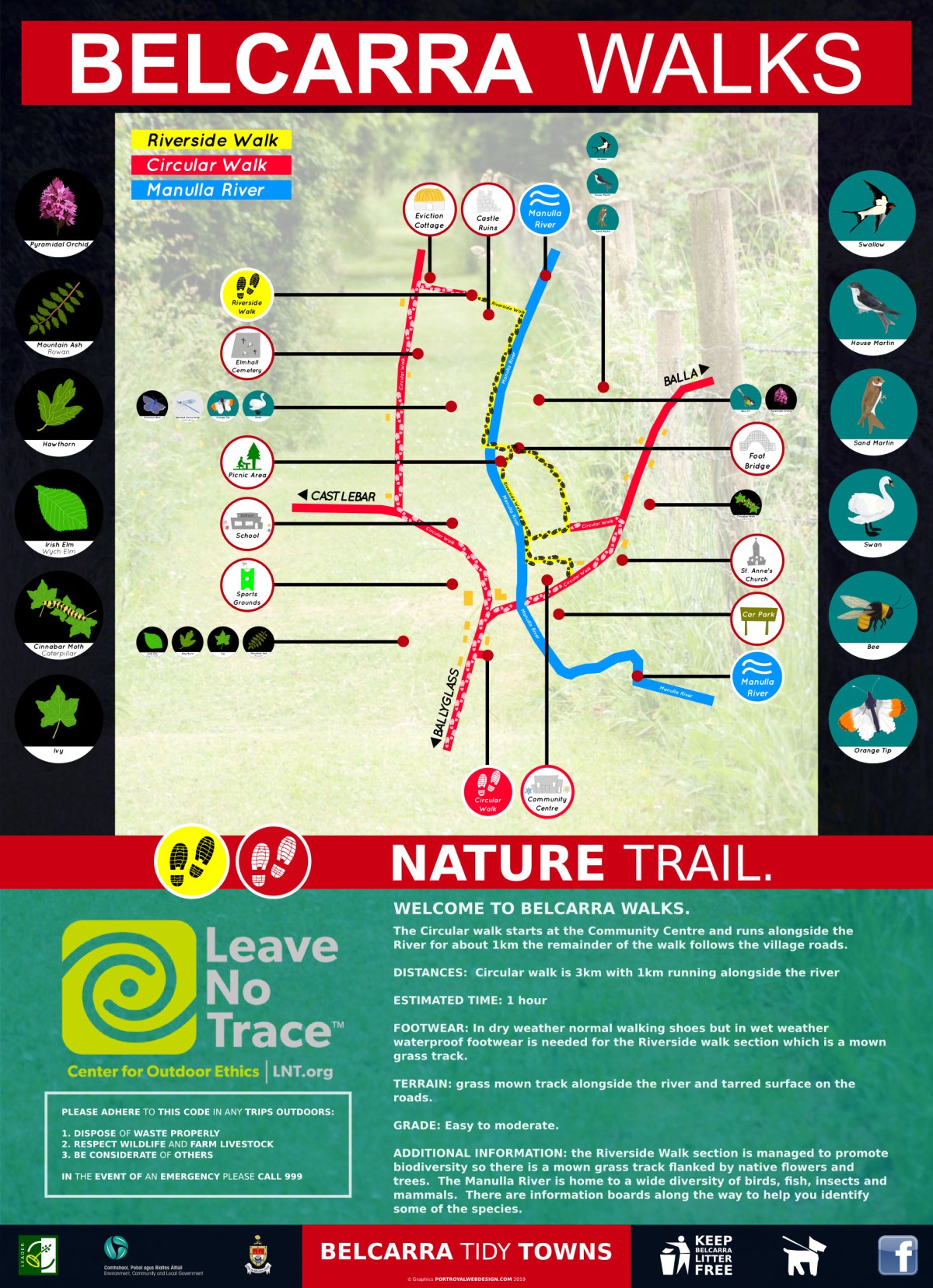
The purpose of this walk was to create a peaceful, safe, environmentally friendly loop walk. It combines history with archaeology and biodiversity. The section of path alongside the river is mown grass and we recommend all-weather footwear should be worn. You will find laminated information sheets available at locations along the walk. There are several signboards along the walk which help create awareness of flora and fauna, history and tradition for locals and visitors.
Historical sites along the walk
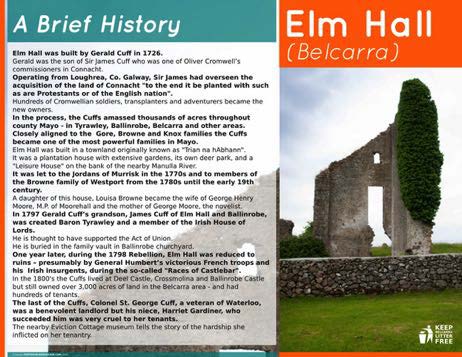
- Elmhall Cemetery which has been renovated by Belcarra Community Council with the support of Mayo County
Council and the relatives of some of those buried there. The graves include those of the Walsh family, victims of
the last Belcarra eviction (in October 1886). - The Eviction Cottage from which the Walsh family was evicted (you can find more information about this in the
History section of the website). - Ruins of Elm Hall house or Cuffe’s castle (also known as Lord Tirawley’s castle).
Nature along the walk
The riverside walk provides the opportunity to observe many natural features of the landscape and wildlife. If you look
carefully and take the time to stop and watch, there are lots of interesting plants and animals to see. The following notes
are just a brief introduction to the nature of the Miranda/Manulla River and its environment.
Insects
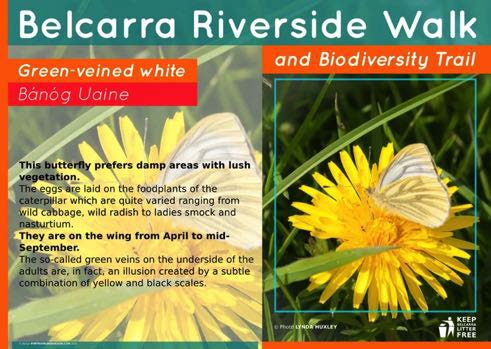
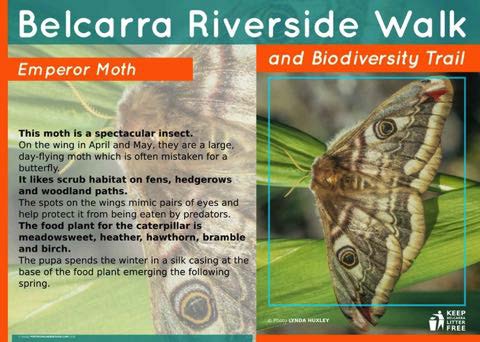
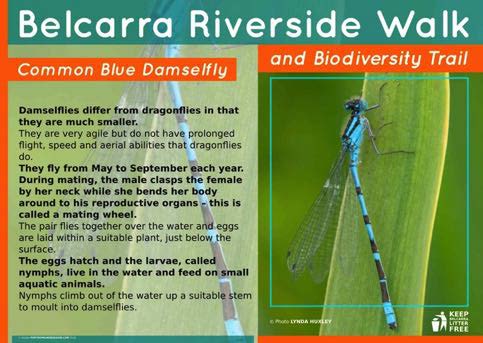
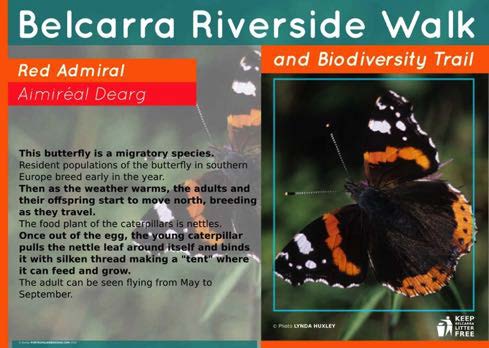
Meadow brown butterflies are common, and you may see other butterflies such as the peacock (dark brown with “eyes” on the wings), the Small Tortoiseshell butterfly (patterned like its name), or even the rare Small Copper butterfly (which is that colour!). The river is an excellent habitat for dragonflies and damselflies and there are several species to be seen at different times of year.
Plants
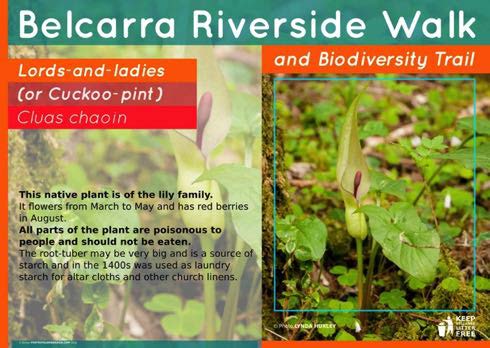
Trees: Willow, Alder, Spindle, Holly, Alder Buckthorn, Ash, Poplar, Sycamore.
Some Flowers: Pyramidal Orchid, Codlins and cream, Bluebell, Twayblade, Carline Thistle, Bugle,
The aquatic vegetation of the river is extremely rich, with many different species of plants growing in and next to the
water.
Some of the more obvious plants are:
- Bur-reed growing in the water with spiky seed heads
- Bulrush round, very dark green
- Water dropwortwith a head of tiny white flower.


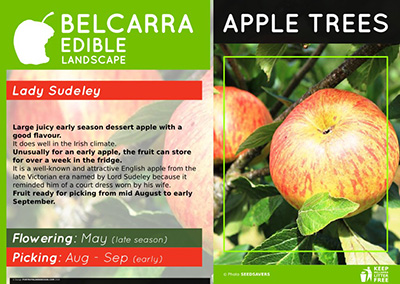
Edible Landscape
Across from the Community Centre, along the Riverside Walk, is the Belcarra Edible Landscape Project.
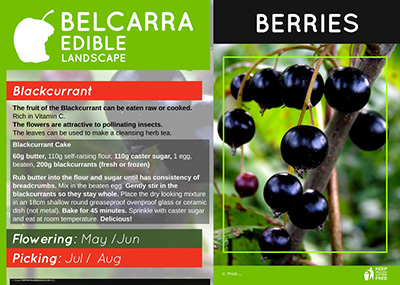
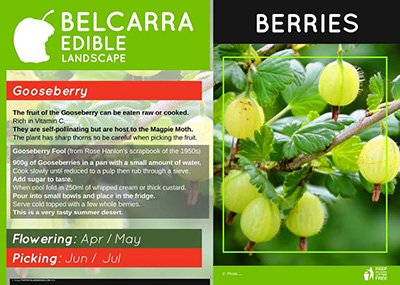
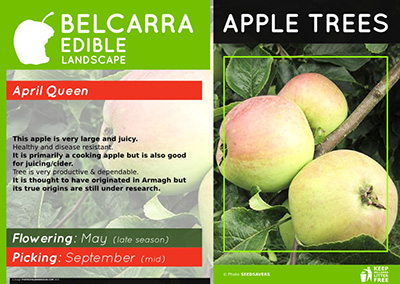
In the area you will find Heritage Apple Trees, Gooseberry and Blackcurrant bushes and a raised bed with herbs and vegetables.
These trees, bushes and vegetables have been planted so that residents from the village can pick and use the fruit and vegetables. No chemicals are sprayed on them so they can be picked and eaten straightaway.
If you’d like to volunteer to help with planting and maintaining the raised beds in the growing season, please contact Belcarra Tidy Towns.
Mammals
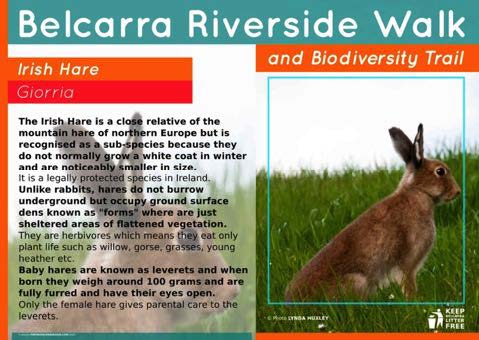
You will be very lucky to see any mammals, but there are foxes and badgers using the riverside path (so look for footprints in the mud), or you may be lucky and see an Irish Hare. Otters also use the area along with the non-native American mink. Several Bat species occur and the Daubenton’s bat hunt insects over the river in the summer evenings.
Birds
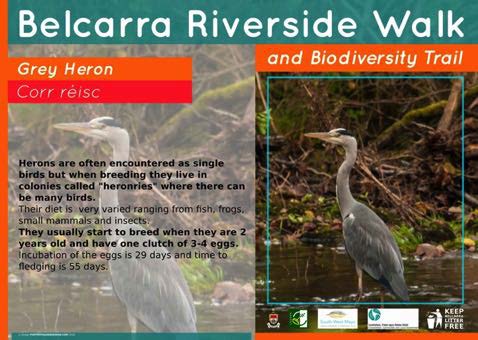
There are many species to be seen along the river, Watch out especially for:
- Swallowhunting over the water for insects on the wing
- Pied wagtail searching for insects in the bankside vegetation
- Grey heron standing in the water looking for fish and frogs
- Kingfisher flying along the river with a high pitched call
- Mallard a large duck, usually flying rapidly out of the riverside vegetation when disturbed
- Mute swan sometimes seen here with their cygnets
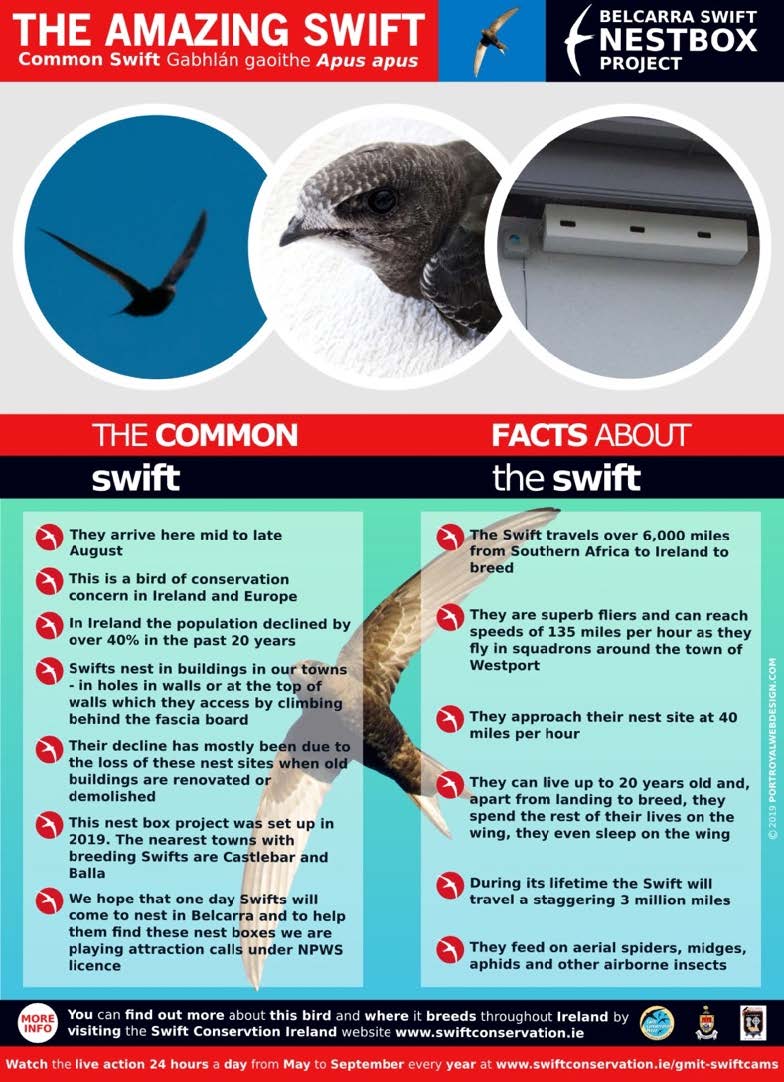
Belcarra Swift Nest Box Project
Belcarra’s Swift Nest Box Project was set up in 2019 by Belcarra Tidy Towns in collaboration with Swift Conservation Mayo to help recover the Swift population in the county.
The Swift is a red-listed bird of conservation concern and the numbers around the country have declined by around 40% in the last 20 years.
Swift Conservation Mayo has been working with communities around the county to set up nest box projects to provide future, secure homes for Swifts.
The nearest known Swift colonies are located in Castlebar and Balla. It can take three years or more for the Swifts to find new nest boxes but we do know that Swifts drink and feed at nearby Walshpool lake so we are hopeful they will find the Belcarra boxes.
Calls will be played to attract any passing Swifts and to help them locate the nest boxes. These calls represent young Swifts within a nest site and will be played from Mayo to end August each year until we have resident birds.
If you’d like to set up your own nest box project on your home and/or would like to learn more about Swifts visit the Swift Conservation Ireland website www.swiftconservation.ie

Yellow Crowned Night Heron
In May 2024 birdwatchers from all over the world made their way to our beautiful village of Belcarra in Co Mayo, to catch a glimpse of a species of bird never before seen in Ireland or the UK.
The Yellow-crowned Night Heron originates from North America and it is believed the bird may have arrived in the west of Ireland after getting caught up in the Atlantic hurricane system last Autumn and it is unlikely the bird will ever be able to get back across the Atlantic by itself.
The “extraordinary” sighting has been described as a “once in a lifetime experience” by bird and wildlife experts.